.png)
Mason & Hanger’s partnership with NASA spans more than six decades, reflecting a deep-rooted commitment to advancing America’s space exploration and aeronautical capabilities. Since 1961, the company—now part of Day & Zimmermann—has played a meaningful role in some of NASA’s most significant milestones, from the early days of the Apollo program to the development of modern research facilities shaping the future of flight.
Supporting the Apollo Program and America’s Moon Landing Mission
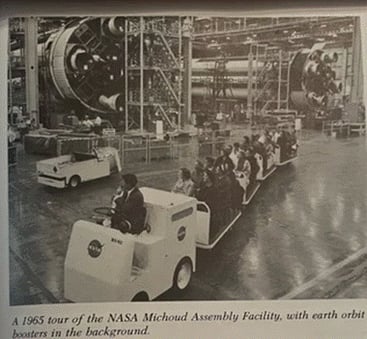
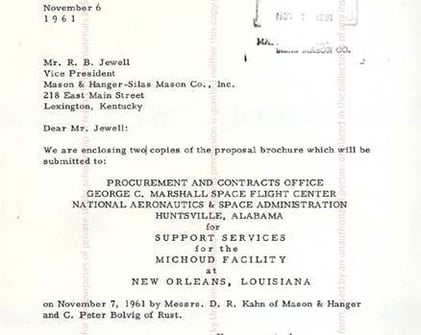
The relationship began at a pivotal moment in U.S. history. In 1961, as the nation set its sights on landing a man on the moon, Mason & Hanger joined NASA’s efforts by supporting operations at the Michoud Assembly Facility in New Orleans. This 43-acre complex became a cornerstone of the Apollo program, NASA’s historic initiative to achieve human lunar exploration. Michoud was responsible for the creation and assembly of major components of the Saturn rocket family—the powerful launch vehicles developed to carry Apollo astronauts and spacecraft into orbit and ultimately to the moon.
.png?width=1024&height=700&name=NASA%20Call%20Out%20Box%20%231%20(5).png)
At the same time, the company contributed to another essential component of the space race: rocket testing infrastructure. During the 1960s, Mason & Hanger designed specialized facilities for testing missiles and rockets, supporting the development of America’s early space capabilities. As part of this effort, the company established an office in Jacksonville, Florida, to execute a design contract with Thiokol Chemical Corporation. This work involved the development of a manufacturing plant and testing silo for solid propellant rocket motors.
During this period, NASA was exploring large solid motors as an alternative booster approach for future heavy-lift vehicles, work that placed Mason & Hanger at the center of the era's most ambitious engineering. The Saturn rockets that carried Apollo flew on liquid-fueled stages, and it was the company's support of operations at the Michoud Assembly Facility, where those stages were assembled, that tied Mason & Hanger most directly to the missions that landed astronauts on the moon in 1969.
.png?width=1024&height=700&name=NASA%20Call%20Out%20Box%20%231%20(6).png)
The company’s NASA support extended beyond manufacturing and engineering into operational and protective services. In 1977, Mason & Hanger provided protective services for the Lyndon B. Johnson Space Center in Houston, Texas, further expanding its role in safeguarding critical space infrastructure and personnel.
Mason & Hanger also established a long-standing presence in Huntsville, Alabama, another hub of NASA innovation. With roots dating back to NASA contracts in the 1960s and a sustained relationship at Redstone Arsenal, the company developed a strong foundation in engineering and design. That same design and engineering DNA continues to influence its work today, extending beyond space-related projects into secure embassies, microgrids, NASA test facilities, and government installations and training facilities on five continents.
Continuing the Mission Today
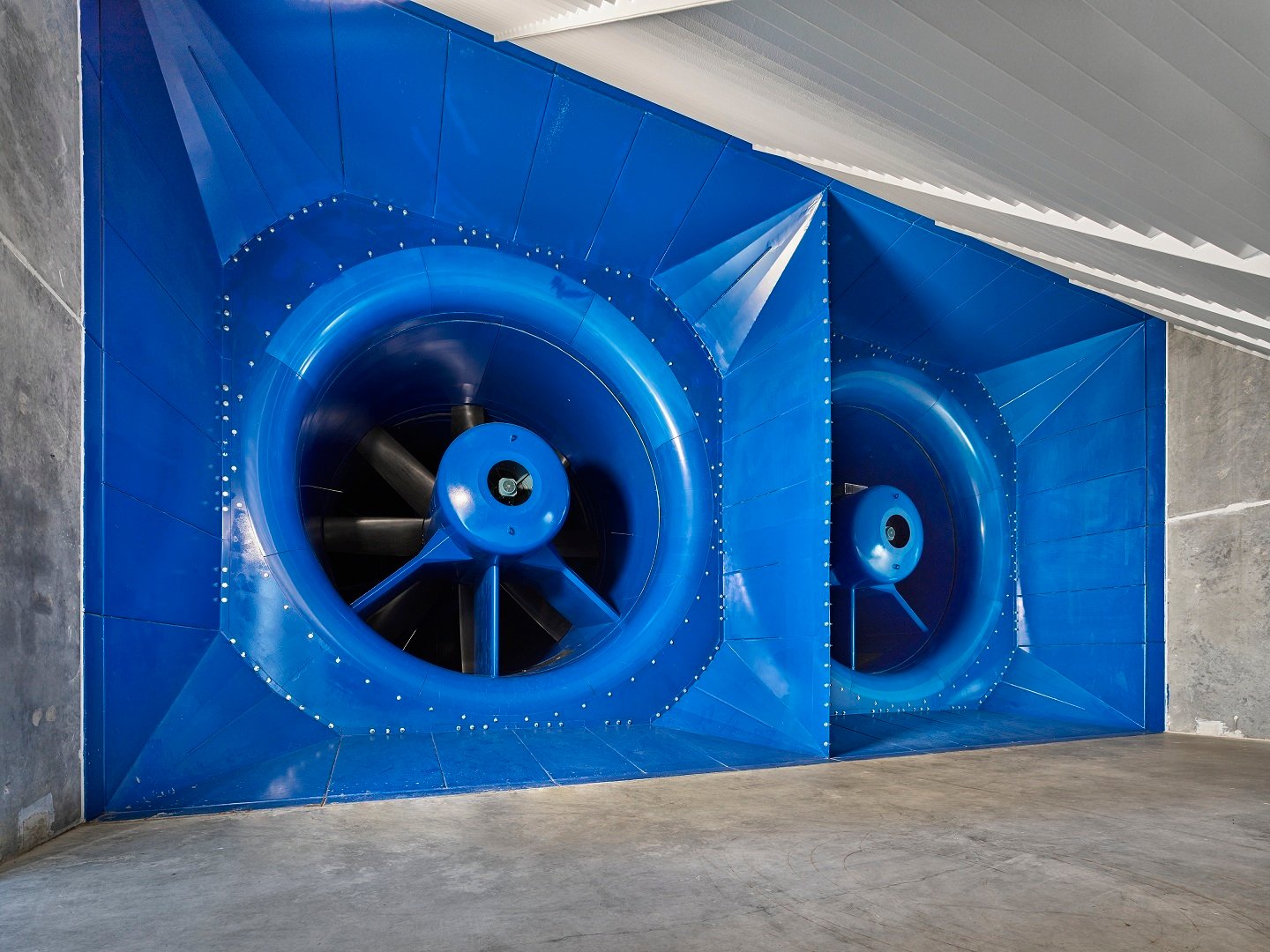
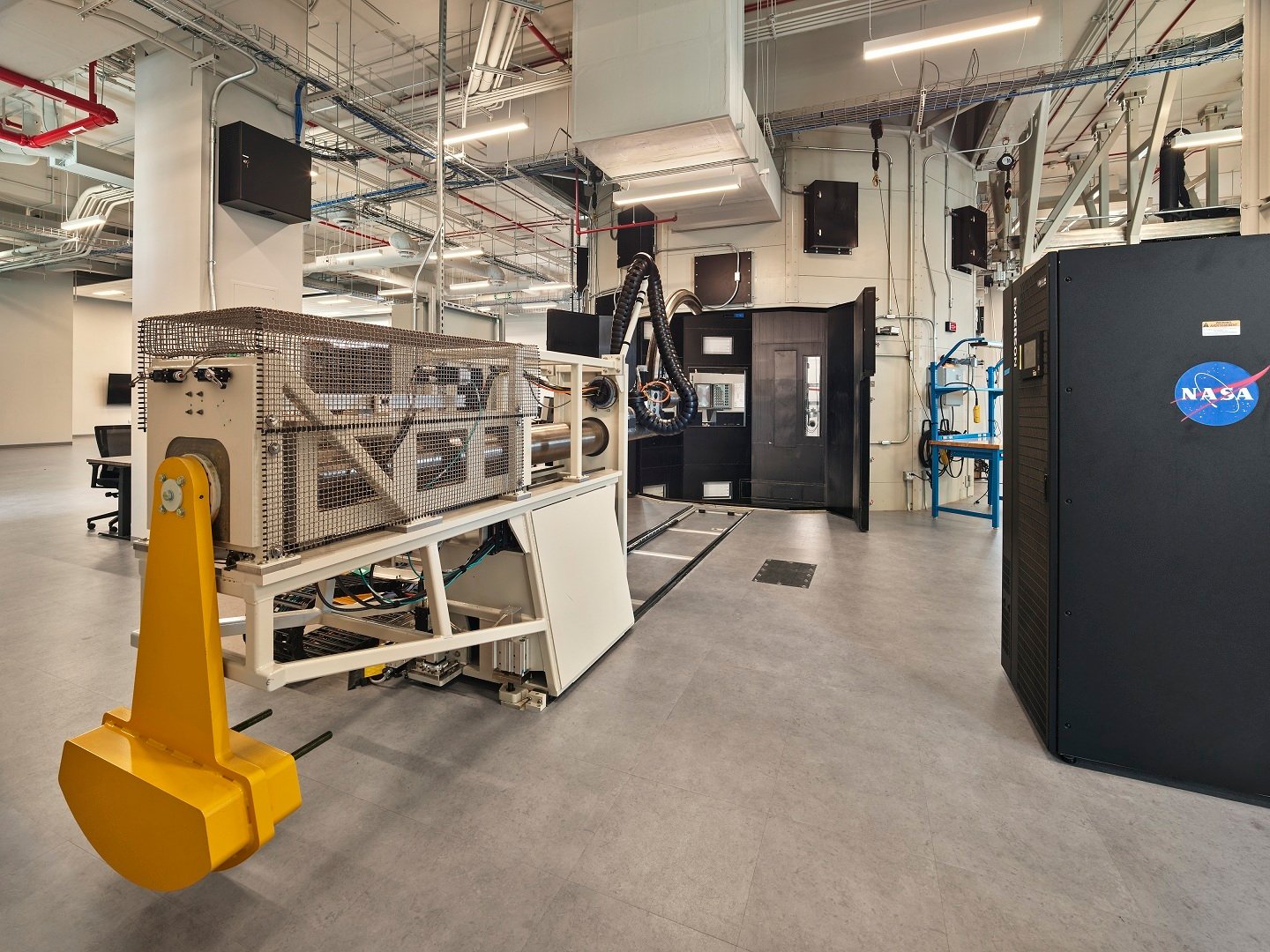
Today, Mason & Hanger remains actively engaged in supporting NASA’s evolving mission. Continuing a partnership that began in the Apollo era, the company is a contributing partner—alongside BL Harbert International and Calspan Aero Systems Engineering, Inc.—on the design-build contract for NASA’s new Flight Dynamics Research Facility (FDRF) at Langley Research Center in Hampton, Virginia.
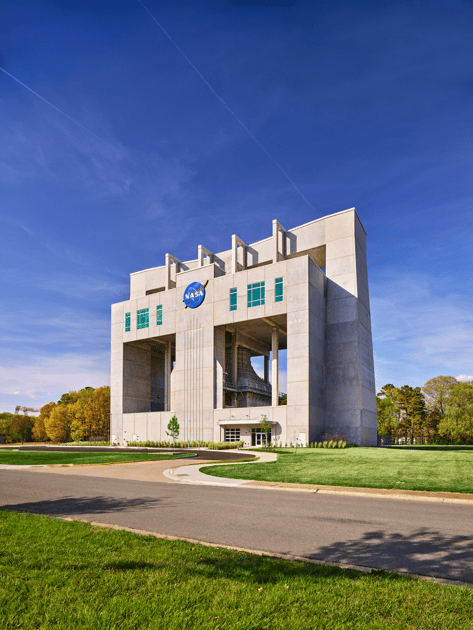
This state-of-the-art vertical wind tunnel represents a major advancement in aeronautical research and will be the first of its kind built in more than 80 years. Designed to be highly versatile and cost-effective, the Flight Dynamics Research Facility will enable advanced research and technology development supporting a wide range of NASA missions, including aeronautics, space exploration, and scientific discovery. The project reflects the continuation of a long-term relationship with NASA that began in the 1960s and continues to evolve in support of modern mission needs.
From designing rocket testing infrastructure, and supporting the Saturn rocket program during the height of the space race, to contributing to next-generation research facilities, Mason & Hanger’s partnership with NASA reflects both continuity and innovation. What began in 1961 as support for lunar exploration, has grown into a decades-long collaboration grounded in engineering excellence, technical expertise, and a shared commitment to advancing the boundaries of science and technology.